
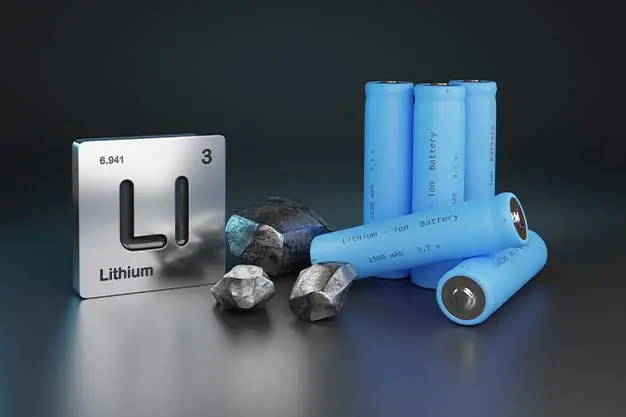
Shipping Lithium Batteries Internationally
Shipping lithium batteries internationally is not like shipping ordinary consumer goods. In some cases a shipment may be possible, but it depends heavily on the battery type, how the battery is packed, whether it is installed in equipment, the route, the carrier, and the destination country's import rules.
The first thing to understand is that "lithium batteries" is not one simple category. There is a real operational difference between lithium-ion batteries, lithium-metal batteries, standalone spare batteries, batteries packed with equipment, and batteries contained in equipment. Those distinctions matter because carriers and transport rules often treat them differently.
As a general rule, standalone spare batteries are more sensitive than batteries properly installed inside a device. A phone, laptop, camera, power tool, toy, or wearable may contain a lithium battery, but that does not automatically mean the shipment is straightforward. The exact product format still matters. A battery-powered item can be acceptable on one route and refused on another.
Air transport is usually where the strictest controls come into play. That is because damaged, defective, poorly packed, or loosely packed lithium batteries can create a real fire risk. This is why many shipments are assessed far more cautiously when batteries are involved, especially where the parcel contains loose batteries, multiple battery units, or unclear product descriptions.
Sea freight and specialist channels may sometimes offer more flexibility than standard courier movement, but that does not remove the need for proper classification, packaging, or compliance checks. A slower mode of transport is not a shortcut around safety requirements.
Before you assume a shipment is possible, you should identify which of the following situations applies:
1. Standalone batteries
Loose or spare batteries are usually the most difficult category. Many carriers restrict or refuse them entirely on standard international courier services. This includes spare phone batteries, power bank units sold as battery products, replacement laptop batteries, and similar items.
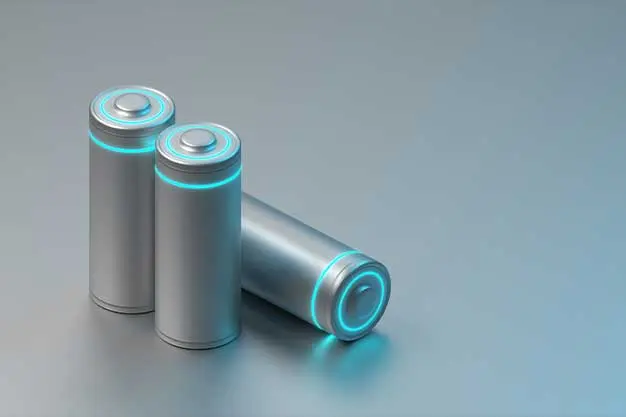
2. Batteries packed with equipment
This means the battery is in the same parcel as the device, but not installed inside it. These shipments can still be sensitive because the battery is effectively travelling as a separate component.

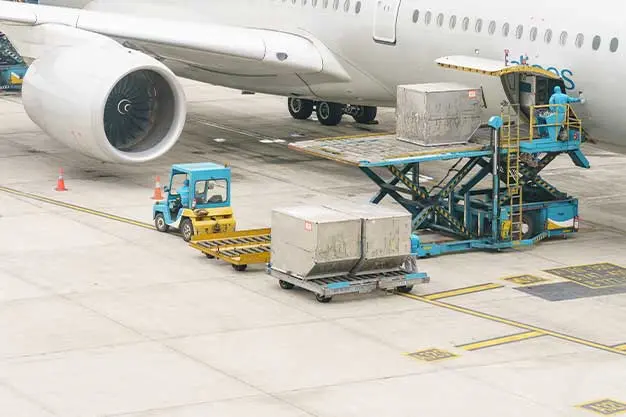
3. Batteries contained in equipment
This is often the most workable category, because the battery is already installed inside the device it powers. Even then, acceptance depends on the device type, battery condition, route, packaging quality, and carrier policy.
Battery condition matters just as much as category. Damaged, swollen, defective, recalled, or untested batteries should never be treated as routine parcels. These items can create genuine transport risk and are the type of goods most likely to be refused.
Packaging also matters. A battery shipment should not move in vague or careless packaging. Terminals may need protection, devices may need to be secured against accidental activation, and the outer parcel should be packed in a way that reduces impact risk during transport. Retail packaging alone is not always enough.
For Jetkrate customers, the practical question is not "Can lithium batteries be shipped internationally?" in the abstract. The better question is "What exactly is the item, how is the battery configured, and is this specific route and carrier likely to accept it?" That is the only sensible way to assess it.
If you are buying consumer electronics, beauty devices, toys, tools, wearables, or other battery-powered products through package forwarding, check the item category before you order. Do not wait until the parcel reaches the warehouse to discover that the route is problematic.
A good pre-check should cover:
- the exact product name
- whether the battery is lithium-ion or lithium-metal
- whether the battery is installed, packed with the device, or loose
- whether the item is new, used, damaged, recalled, or refurbished
- the destination country
- whether the parcel is likely to move by standard courier or require a different solution
It is also important to be realistic about destination-country import rules. Even where transport is technically possible, customs or local product restrictions may still complicate the shipment. Compliance is not only about getting the parcel onto a plane. It is about whether the full origin-to-destination movement is lawful and workable.
Jetkrate takes a cautious approach rather than acting as a blanket yes-service for batteries. The right message is not "we ship batteries everywhere". It is "check first, classify properly, and avoid preventable risk".
In practice, the safest customer behaviour is simple: if the product contains or includes a lithium battery, treat it as a sensitive shipment from the outset. Gather the facts, confirm the route, and only proceed when the shipment profile is clear.
