
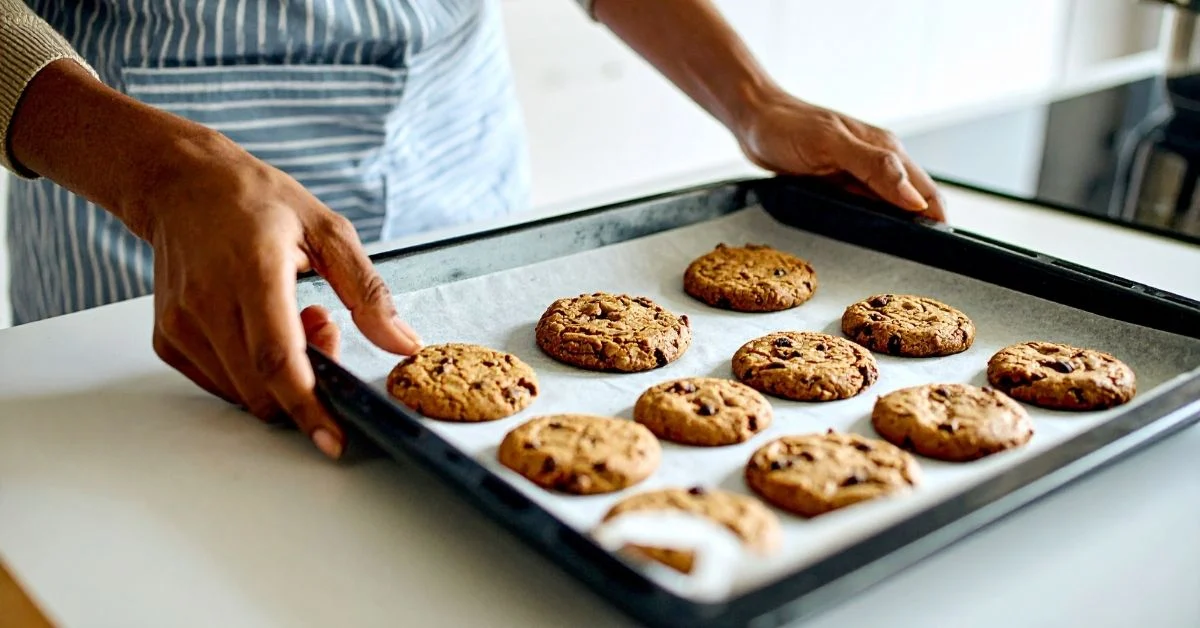
How to ship cookies while retaining their freshness?
When cookies must survive the journey to consumers, they must not only reach them by the truckload while having their aroma but taste just as good. Here are the best recommendations for sending cookies that are more than just messy crumbs from you or me.
Even keeping this in mind, doing it correctly won’t ruin the cookie. Grazing through chapters, the guide is straightforward about cookie selection, packing methods, and how to ship cookies, so your carefully baked creations maintain their beauty and taste at the point of delivery.
Can you ship baked goods safely?
Can you really ship baked goods without harming their quality? It is really one of the most frequent issues bakers face. Well, if the process is set up correctly, then the answer is in fact yes.
Biscuits or cookies are amongst a few select treats that have been known to hold up well when shipped since they are quite hardy and able to store at room temperature. However, it might not be true for all types of cookies, as not all cookies are good travelers. Selecting the right type and exercising proper packaging can greatly improve their chances.
Thus, knowing how to ship cookies is about prelude prep, that being smart enough to select materials to protect them against every harm that may happen on the way, whether texturally or flavor-wise.
Choose cookies that can be transported well
Even before thinking of packaging, it is vital to choose cookies that can travel well. Not all kinds of cookies make for a good long-distance travelling snack.
Cookies that travel well include:
- Drop cookies like chocolate chip or oatmeal raisin
- Bar cookies such as brownies and blondies
- Firm cookies such as shortbread or biscotti
In addition to macarons and meringues, keep away from such cookies with a delicate texture or with high moisture content. You could use advanced techniques or special packaging to transport macarons, though.
In any case, tough cookies – meaning those that hold up against a good amount of abuse and handling – are the best choice for shipping cookies.
Let cookies cool completely before packaging them
Don’t render haste in packing warm cookies that otherwise tend to create a headache in the form of sogginess once the moisture appears and the fungi are given their way even quicker.
Cookies should always be cool at room temperature during packaging. When it comes to shipping cookies, they need to be left alone to stand, as moisture tends to kill them even before they set forth on their journey.
Cooling racks ensure that air circulates all around, so that all cookies are actually cooled; hence, they are ready for wrapping.
Carefully Wrap Each Cookie for Maximum Protection
One of the optimal ways is to wrap them individually to keep them fresh and make sure that they do not crumble.
You will need:
- Plastic wrap
- Wax paper
- Cellophane bags
Wrap them tight enough to shelter them from the air. This traps steam for soft cookies, yet it keeps air at bay for crisp ones.
Don’t omit this step if you want to really learn how to ship cookies.
Sort the Cookies into Categories
Do not store different types of cookies in the same container. Moist soft cookies can impart softness to crunchy cookies.
Sort by type and texture of cookie:
- Soft cookies are packed together
- Crunchy cookies are packed together
Such separation maintains quality and is one of the basic questions for how to ship baked goods without impacting their texture.
Stash them in Airtight Containers inside the Box
Once you have wrapped the cookies, you can place them in airtight containers.
- Durable plastic food containers
- Metal tin box
- Heavy-duty zip-top bags
Use parchment paper or bubble wrap to fill in any empty spaces within the containers to prevent the fluctuations of the cookies from fluctuating. Lesser movement will mean fewer chances of breaking the cookies.
‘Inside the box’ is so important when someone is considering shipping cookies over a couple of towns.
Be Generous in Cushioning
During the transit, the packages are not handled gently. The packages are dropped, stacked, and shaken.
Line the shipping box with
- Bubble wrap
- Packing peanuts
- Crumpled kraft paper
Place the cookie tin in the middle, then surround it with cushioning material. Give the cardboard box a little whirl and listen to the contents. If it rattles, add additional cushioning.
Proper cushioning is the rule of thumb in the successful shipping of cookies.
Choose the Right Shipping Box
Using a box that is sturdy and has corrugated cardboard is always a good option. A flimsy or reused box might easily crush under pressure.
The box:
- Should be just a little larger than the contents
- Should be designed to hold the weight of any other boxes put atop
Avoid oversized boxes; more movement results from the extra space. This is actually one step in identifying the role of choosing just the perfect box in shipping cookie dough without breaking.
Pick the fastest shipping method
The more significant danger to fresh cookies is time. When cookies remain in transit for a long time, there is a higher risk of staleness.
You can consider
- Priority or express shipping
- Delivery made within 1 to 3 days, always the best
Good quality is a given, which suggests paying extra for expedited shipping. This will ensure you ship your quality baked goods that the buyers can enjoy.
How to Ship Cookies for Long-Distance Delivery?
Shipping across states or nations will require further care and planning for knowledge about how to ship cookies long-distance. Declining times in transit will increase freshness risk due to adverse temperatures and breakage, should your packaging be developed with a more stringent strategy intent.

Start by selecting cookies that are more resistant to time. Cookies that are crisper than not enable a transport time to prolong them; biscuits like biscotti, ginger snaps, and shortbread all work well since they are rather dry and therefore less sensitive to changes in humidity. Soft cookies can still be shipped if they are wrapped very tightly; the shipping method must thus be rapid.
Vacuum sealing is a good choice for long-distance shipping. It removes all the extra air extending and preserving staling holdback. Even for short trips only, it might greatly impact the results for cookies shipped over several days.
International or cross-country shipment conditions also bring the question: Can you ship baked goods through customs? The answer is, in many cases, yes, although the rules will depend on the destination. Some countries don’t permit any kinds of homemade foods to be shipped, while others will allow baked goods only if they are dairy-free and contain no fresh ingredients in any form.
Before you plan to ship, check what regulations are in place to prevent possible confiscation or delay.
Timing is another solid matter to consider. Ship early in the week, ideally Mondays or Tuesdays, to ensure your goods won’t end up having a weekend sit-around in the warehouse. The faster your cookies get there, after all, the better and tastier they are for all to devour.
An additional buffer is double-boxing, so to speak. Place the box in a second padded box or package, float-packing peanuts, then put this larger box within a separate one, which will again hold padding for outer impacts. This preferred method typically results in a decrease in damage from impact and lowers the temperature fluctuations.
Last but not least, the other good communication possibility is with the receiver. Inform the receiver of the approximate arrival date and urge them to open the package soon upon receipt. Even if you are following every PowerPoint for shipping cookies, the peak freshness requires the cookies to be unpacked away from storage when properly handled.
Avoid Shipping During Extreme Weather
Heat and humidity can ruin cookies quickly. Chocolate chips melt, butter softens, and moisture gets in.
Suggestions:
- Avoid heat waves in the summer
- Ship at the beginning of the week when packages are not delayed because of the weekend
- If shipping to a hotter location, consider insulated liners
Seasonal planning is often overlooked but core to shipping cookies if safety is the goal.
Please Label Packages Clearly
Labeling will not guarantee that the package will be handled carefully, but it will aid in reducing risk; be sure to label the package, noting that it should be handled with care.
Label the package with words like:
- “Fragile”
- “Perishable”
- “This Side Up”
Clearly labeling will give much more weight to your overall ‘operation’, of course, in how cookies are packaged, and is one simple step to help to prevent your item from being mishandled.
Test Your Shipping Method for Real
If you were planning to send some cookies to customers or loved ones, you should consider conducting a trial delivery to yourself as a customer or to an address in your area.
Assess:
- Freshness on arrival
- Breakage
- Taste and texture
This test would answer the ultimate question: can baked goods travel? on your chosen materials and carrier.
Consider food safety and regulations
For people selling cookies, it is important to know federal and local guidelines on food handling. Some must-dos okayed under the same rules are:
- Ingredient labeling
- Allergen alerts
- Cottage food laws
Make sure to learn how to ship cookies responsibly and professionally.
Add a freshness boost
It does not take much, but the little changes could leverage bigger differences:
- Food-grade desiccant for crispy cookies
- Moisture-control packs for soft cookies
These desiccants must not come into contact with the cookies directly. They help sustain longer shelf life and enhanced results when shipping baked goods.
Final thoughts on shipping cookies safely
To be able to thoroughly ship cookies, you need planning, patience, and the right supplies-and this is definitely possible. From properly choosing the cookies you will ship to putting them in airtight containers and choosing a fast method of transportation, every step will count towards maintaining their quality and preserving their taste.
So, can we send baked goods and even impress the recipient? Of course. With sturdy packaging and good care, your cookies will arrive tasting just the way they tasted when they first came out of the oven.