
7 min. read

Can Knives Be Shipped Legally and Properly?

Can You Ship Knives

Is it permissible to ship knives and remain in line with the law? Or would the carriers be willing to comply? Whether you need to ship a knife off to your buddy or put it online, or pack up your sharp weapons as a part of your own personal stuff, the first thing that comes to mind is safety.

Indeed, while knives are sharp objects, shipping them changes some of the common handling rules. In general, knives are allowed for shipping, but it is important that they are shipped under proper laws, carrier policies, or packaging requirements-this will have you caught up for nothing. It is actually a guide of the requirements to take note of, both within and beyond the boundaries concerning knives, combined with constraints carriers tend to pose in their shipping and the safest means of packaging knives.

Can You Mail a Knife Through the Postal Service?

At some point, you might have this question on your mind: Can you send a knife with the national postal services? In most cases, yes, but with conditions in sense.

Most postal carriers will allow knives, provided:

  • The item is well-packed and ready for shipment
  • The blade is fully covered and secured
  • There exists no risk within the package, such as against the handlers

On the other hand, some knives from certain states are restricted or banned, such as double-edged blades or switchblade/knives, meaning certain knives are illegal to mail without prior legal inquiry.

Answering the question can knives be sent through the postal services begins with the type of knife you have in hand.

Types of Knives That Can Be Shipped

Types of Knives

To be shipped from one place to another, choose the right knives.

Knives, too, have restrictions.

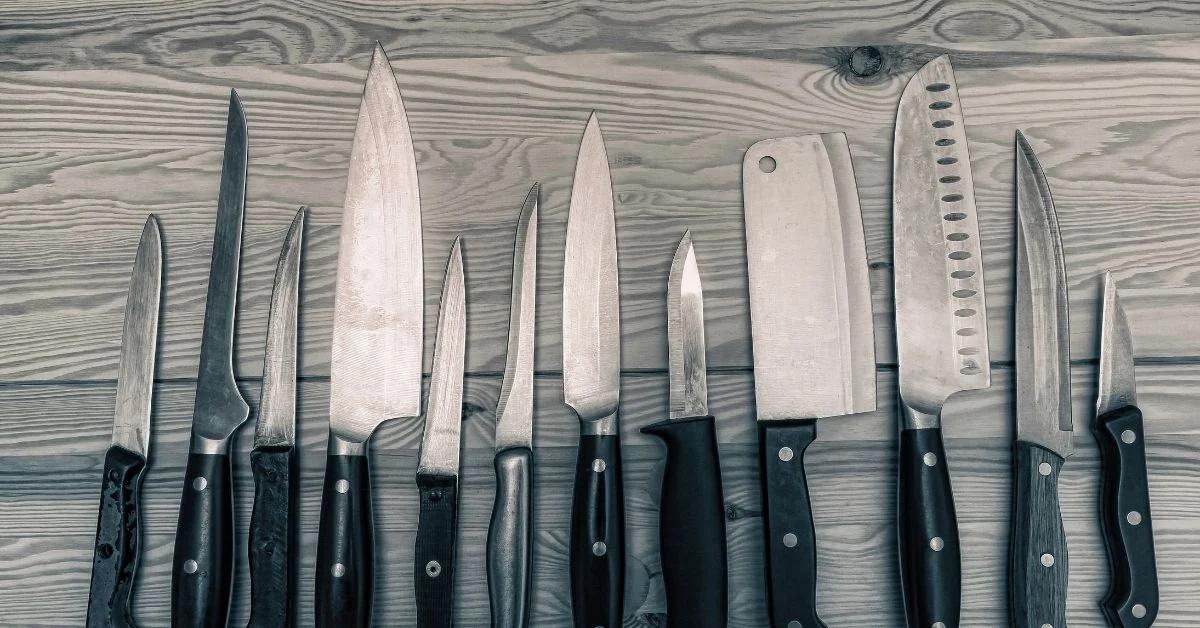
Supported knives are:

  • Knives for kitchen use
  • Chefs’ knives
  • Pocket knives (non-spring-loaded)
  • Utility and camping knives

Restricted or prohibited knives could be:

  • Switchblades
  • Butterfly knives
  • Disguised knives
  • Certain combat or tactical knives

Always check local regulations to see whether or not you can send a particular type of knife.

Carrier-Specific Knife Shipping Rules 

Guidelines from shipping carriers for sharp objects may differ.

Most carriers allow for the shipment of knives provided that:

  • Safety aspects are met
  • Packaging circumvents harm
  • Contents are correctly identified.

All of the above conditions apply. However, certain carriers can reject shipments if they do not comply with the local weapon laws. The mislabeling of any shipment could only mean delays or permanent confiscation. Hence, transparency is extremely important when it comes to mailing a knife safely. 

Legal Considerations Before Shipping a Knife

The laws governing knives can vary dramatically between countries, states, and cities. A knife that is legal in one location may be restricted or something completely illegal in another. This is even more true for switchblades, assisted-living blades, and tactical folding knives.

Legal Considerations

In the United States, federal law allows for the carrying of numerous types of knives, but state law is allowed to override them. In one state, for instance, there are laws as to blade length, while others run on a ban of certain mechanisms, switchblades, and gravity knives, for example. When considering whether to ship a knife, be aggressive and check the laws of the sender’s and the receiver’s locations.

For businesses and online businesses, compliance means even more importance. Sending an illegal knife, even accidentally, can carry heavy fines, chargebacks, or result in the seller being charged by the carrier, while taking the time to attempt the legitimacy safeguards for both shippers and persons on the receiving end.

Dealing with borders, then, companies asking themselves whether they can deliver knives overseas must face growing concerns. Many countries classify knives as weapons irrespective of their intended use. A mechanical customs officer can hold up your package if the documentations are not complete because a knife is or is not legal in the recipient country.

Specific destinations may require:

  • Import permits
  • Demonstration of intended use (e.g., cooking purpose, display)
  • Proof of age

Definitely, poor compliance with the requirements could lead to knife confiscation. In severe cases, legal action might ensue against the end-user.

Another front you can consider is admitting to the shipment and customs forms that knives are included. That’s also a red flag. Rather than generic terms like “metal tool,” be more specific, like “kitchen knife” or “folding utility knife” whenever allowed by the carrier.

The essential study of the applicable legislation is an inherent aid in answering the question “Can knives be shipped?” It does take time to study all the regulations, but this practice saves one from critical financial mistakes and time that could run into days’ worth of delay, not to mention any legal trouble, particularly when covered in international shipping or marketed for commercial purposes.

How to package a knife safely?

Packaging is being identified as the major requirement for sending knives.

Common approaches are as follows:

  • Cover the blade with cardboard or blade guards 
  • Wrap the knife appropriately in bubble wraps 
  • Secure the knife tightly with tape
  • Put the wrapped knife into a study box with cushioning material, attempting to prevent its movement. Shake the box gently and add more padding if anything shifts.

In some cases, professional package repacking services can also help ensure the knife is secured with proper materials and meets carrier safety requirements before shipment.

Proper packing reduces the chances of mishap and keeps one intact with the rules we can follow when we think of ways to ship knives responsibly.

Labeling and Declaring Knife Shipments

You do not actually have to label the box “knife”, but accurately declaring the contents, if required by the carrier, is essential.

Avoid dishonest descriptions, as otherwise, you risk forfeiting shipments for non-compliance. Evidence for truthful statements is required by the carriers to maintain legal records when inquiring if you ship knives internationally.

Can You Ship Knives Internationally?

Addressing the question “Can you ship knives internationally?” is essentially a bit trickier than just handling domestic shipping.

Shipping knives internationally depends on 

  • Laws of the destination nation
  • Customs regulations
  • Knife model and purpose

Some countries can prohibit the importation of any kind of knives, while in some other countries, you can freely import them if the party applies for a permit for their import. The delivery of legal knives can also be delayed, or they can be seized if the paperwork is not complete. In such cases, using reliable package forwarding services can help streamline international shipping by ensuring proper documentation, compliant packaging, and adherence to destination-country regulations.

Before moving ahead with a long-distance shipment:

  • Study relevant laws.
  • It is necessary to check the Declaration of the Customs.
  • Verify the airline’s international regulations.

International compliance is a key part of understanding whether you can ship knives across borders.

Customs and Documentation

When it comes to sending knives to any other country, procedural customs have to be followed.

Which includes:

  • Specifics of the item
  • What the intent is (gift, sale, personal use)
  • Declared value

Please note that most delays and rejections are a result of incorrect paperwork for international shipments. This question of whether you can send knives internationally without any hitches is often raised.

Shipping knives for business or e-commerce

Shipping knives for business or e-commerce

If you’re trading online, abidance gets even more important.

The best practices include:

  • Age authentication wherever required.
  • Clear product descriptions.
  • Cover insurance in case of high-priced knives.

Professionals must stay informed about any new regulations and legislation updates. The awareness of the legality regarding sending knives will shield both your business and your clients.

Insurance And Tracking of Knife Shipments

Knives, especially the specialty blades, can be really expensive. 

Always think about:

  • Shipping insurance
  • Tracking confirmation
  • Signature on delivery

These ensure peace of mind while shipping knives.

Age Restrictions and Recipient Responsibilities

Trying to decide whether or not they would be able to ship knives comes with age restrictions and possible legal implications for the recipient. Knives are not supposed to be sold or transferred to individuals under a certain age in most states. If it is for business, for instance, the recipient may need to show age at the time of sale or delivery.

Major carriers can offer an adult signature request whereby the package will be delivered only to an individual determined to be well above the minimum age requirement. This additional step may help protect vendors from unfair claims and get them to adhere to legal norms.

After the arrival of the knives, the responsibility for their proper handling shifts to the recipient. He or she must closely inspect the package before carrying a finger to open it, hoping to forestall personal injury, keeping their knife in a secure place, knowing well that kids are going to be at that house.

International travel may involve hugely varying regulations based on age. What may be considered an acceptable policy in one country might be deemed illegal in another. The question of which supports research can send a knife internationally under such circumstances.

The freelance writer went through the essential subjects of age restrictions and the responsibilities of the receiver. It is through taking a look at these two factors that the shipper can easily alleviate most of the legal risks and run a safer and more compliant process while deciding to send a knife or mail knives through commercial carriers.

4 Frequent Mistakes to Avoid When Shipping Knives:

A Few Common Mistakes Include:

  • Using light packaging 
  • Failing to secure the blade 
  • Ignoring the laws of the locality 
  • Mislabeling or deliberately under-declaring the contents of the box. 

Any such mistakes could lead to injury, fines, or court confiscation.

Best Practices Highlights for Shipping Knives

To safely and legally ship knives:

  • Check whether knife transportation is legal
  • Pack knives in protective packing equipment
  • Obey all carrier-specific guidelines for knife shipment
  • Understand international prohibitions on shipping knives
  • Prepare all necessary paperwork

Committing to these principles facilitates legal compliance and confidence for people inquiring can you ship knives.

Conclusion: Can Knives Be Shipped Without Any Problem?

We’re the right ones for the task! Yes, knives can be shipped once a person is aware of the law, the minutiae involved with a carrier’s services, and smart packaging about its knives. If shipping domestically or abroad, basic preparation is therefore all it takes to halt problems.

By using practice blueprints and basically googling away for information before going ahead, you will be able to have a risk-free period when professionally shipping knives.

Scroll to Top